How AI Companions Are Driving Productivity This Year
In 2026, AI assistants have moved far beyond simple voice commands or basic chatbots. They have become intelligent, proactive partners that handle complex tasks, anticipate needs, and integrate seamlessly into our personal and professional lives. From drafting emails and managing schedules to conducting deep research and automating multi-step workflows, these tools are delivering measurable gains in efficiency and creativity for millions of users worldwide.

The Remarkable Evolution of AI Assistants
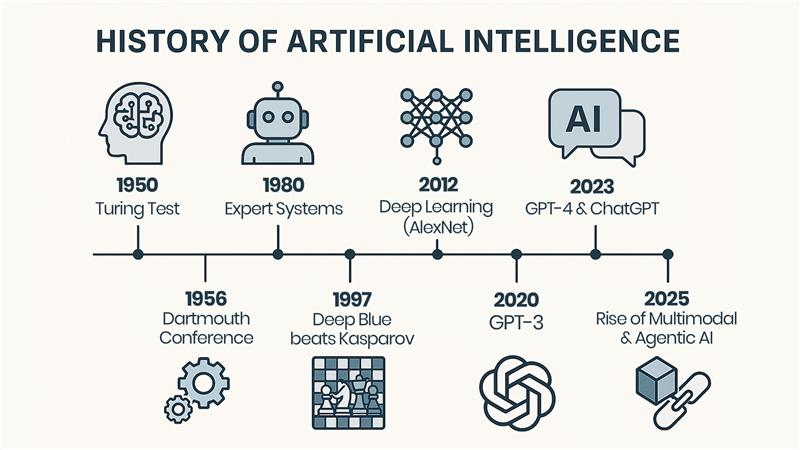
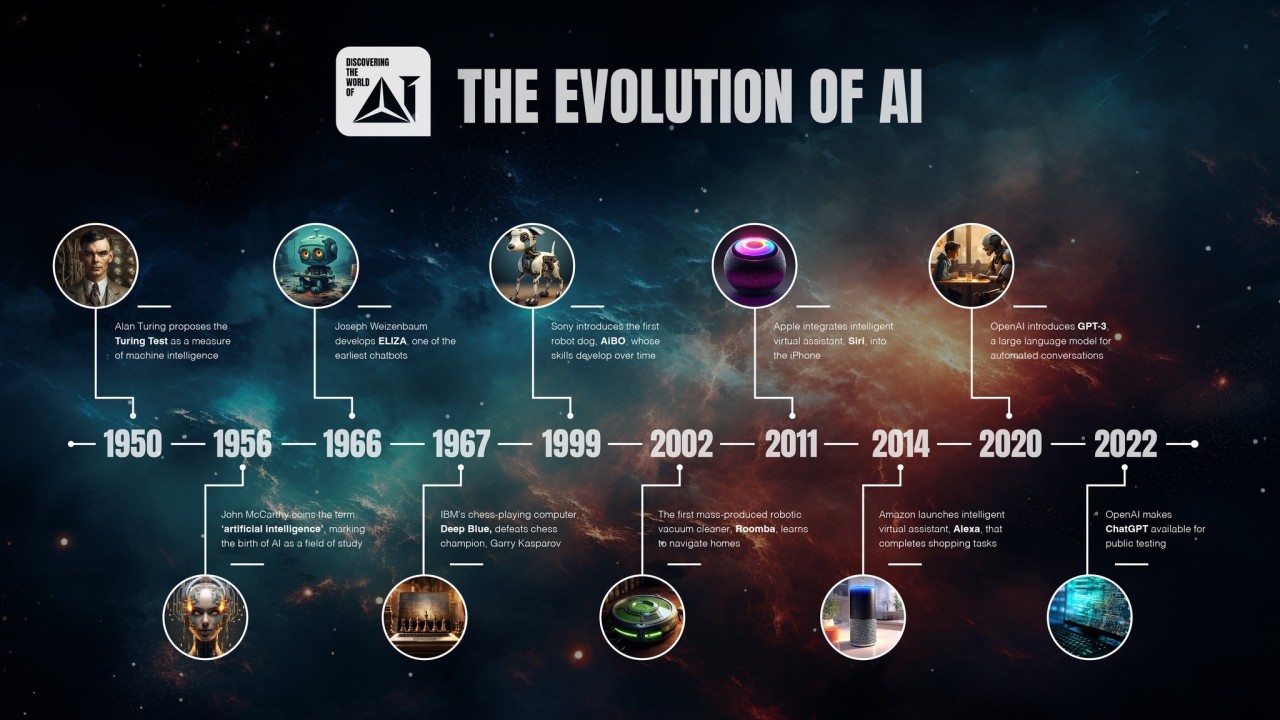
The history of AI assistants traces back decades, but the pace of advancement has accelerated dramatically in recent years.
Key milestones include:
- 1950s-1960s: Alan Turing's foundational ideas and Joseph Weizenbaum's ELIZA (1966), one of the first programs to simulate natural conversation.
- 1990s-2010s: Microsoft's Clippy, Apple's Siri (2011), Amazon Alexa (2014), and Google's Assistant brought voice interaction to the mainstream.
- 2020s Breakthrough: The launch of ChatGPT in 2022 popularized generative AI. By 2026, models like GPT-5, Claude 4, Gemini 2, and Grok have introduced advanced reasoning, multimodal capabilities (text, voice, image, video), and true agentic behavior.
Today's assistants combine large language models, real-time data access, tool integration, and memory systems that learn from user interactions.
Understanding How Modern AI Assistants Function
Contemporary AI assistants operate through sophisticated layers:
- Natural Language Understanding & Generation: They interpret intent from casual language and generate human-like responses.
- Multimodal Capabilities: Processing and creating images, analyzing documents, transcribing voice, and even handling video.
- Agentic Architecture: Unlike earlier tools that only responded, 2026 assistants plan, use tools (browsers, APIs, calendars), observe results, and iterate autonomously on multi-step tasks.
- Memory & Personalization: Long-term context retention allows them to remember preferences, past conversations, and user-specific details for more relevant assistance.
This shift from reactive chatbots to proactive agents represents one of the most significant technological leaps of the decade.
Leading AI Assistants in 2026: Strengths and Best Use Cases
The landscape features strong competition, with users often combining several tools:
- ChatGPT (OpenAI) — Excels at casual conversation, creative writing, deep research, voice mode, and general-purpose tasks. Highly versatile for everyday users.
- Claude (Anthropic) — Preferred for long-form writing, complex reasoning, coding, and careful instruction-following. Ideal for professional content and analysis.
- Google Gemini — Seamless integration with Google Workspace, real-time information, multimodal tasks, and Android ecosystems.
- Grok (xAI) — Known for real-time knowledge, helpful and witty responses, and strong reasoning capabilities.
- Microsoft Copilot — Deep integration with Windows, Office 365, and enterprise environments for productivity and data analysis.
- Specialized Agents — Tools like Arahi AI, Lindy, or custom agents handle full workflows across apps.
Practical Benefits Transforming Everyday Life and Work
AI assistants deliver concrete advantages in 2026:
- Productivity Gains: Users report completing tasks 25-40% faster. Professionals reclaim hours weekly by automating email drafting, meeting summaries, research, and data entry.
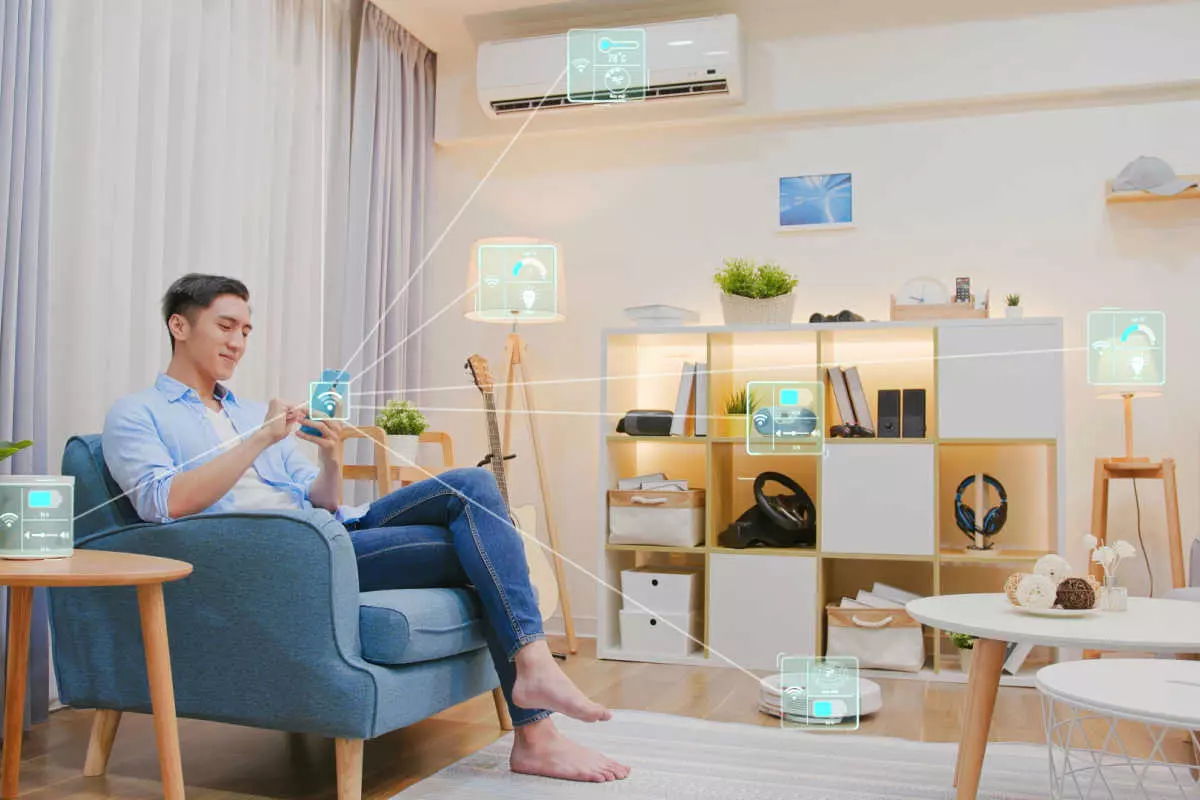
- Personal Life Management: Smart scheduling, personalized recommendations (recipes, fitness, travel), smart home control, and even emotional support companions.
- Accessibility & Inclusion: Voice-first interfaces and multilingual capabilities help people with disabilities, language barriers, or hands-free needs.
- Learning & Creativity: Instant explanations of complex topics, brainstorming, coding assistance, and content creation that amplify human potential.
- Business Impact: Customer service scaling, workflow automation, and data-driven decision making.


Addressing Challenges and Promoting Responsible Use
Despite impressive capabilities, important considerations remain:
- Privacy & Data Security: Choose platforms with strong on-device processing, transparent policies, and user controls.
- Accuracy & Hallucinations: Always verify critical information, especially in professional or medical contexts.
- Over-Reliance: Balance AI use to maintain critical thinking and human skills.
- Ethical & Societal Issues: Bias mitigation, energy consumption, job transformation, and emotional impacts of AI companions.
Reputable providers continue investing in safeguards, transparency, and governance frameworks.
The Exciting Future: Agentic AI and Beyond
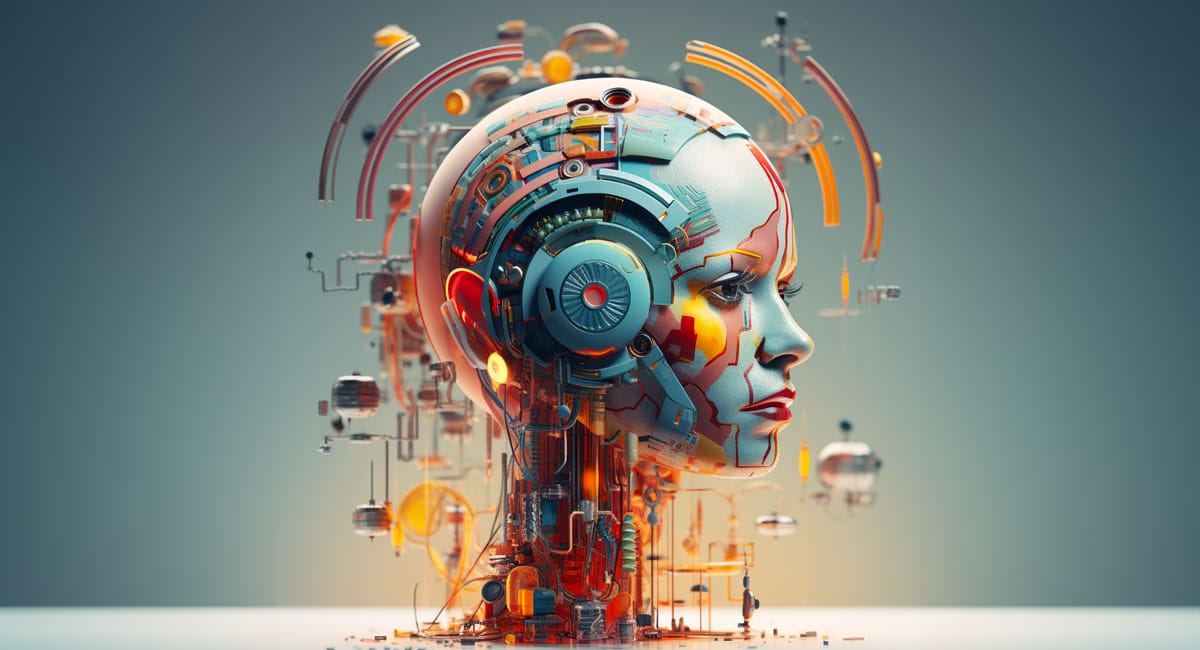
By late 2026 and into 2027, expect widespread adoption of fully autonomous agents capable of handling entire projects — from travel planning to complex business workflows — with minimal human oversight. Trends include deeper physical world integration (robots, IoT), enhanced emotional intelligence, and hybrid human-AI teams.
Getting Started: Practical Tips for 2026
- Identify your primary needs (productivity, creativity, research, smart home).
- Start with free tiers of major platforms and experiment.
- Build custom instructions and memory for personalization.
- Combine tools — use one for research, another for execution.
- Stay updated on new features and maintain healthy usage habits.
AI assistants in 2026 are not about replacing human ingenuity but amplifying it. They free up time for what matters most — relationships, creativity, and high-value work. Whether you're a busy professional, student, entrepreneur, or someone seeking better work-life balance, the right AI assistant can be a game-changer.
The era of intelligent collaboration is here. Your most productive self might be just one thoughtful prompt away.